
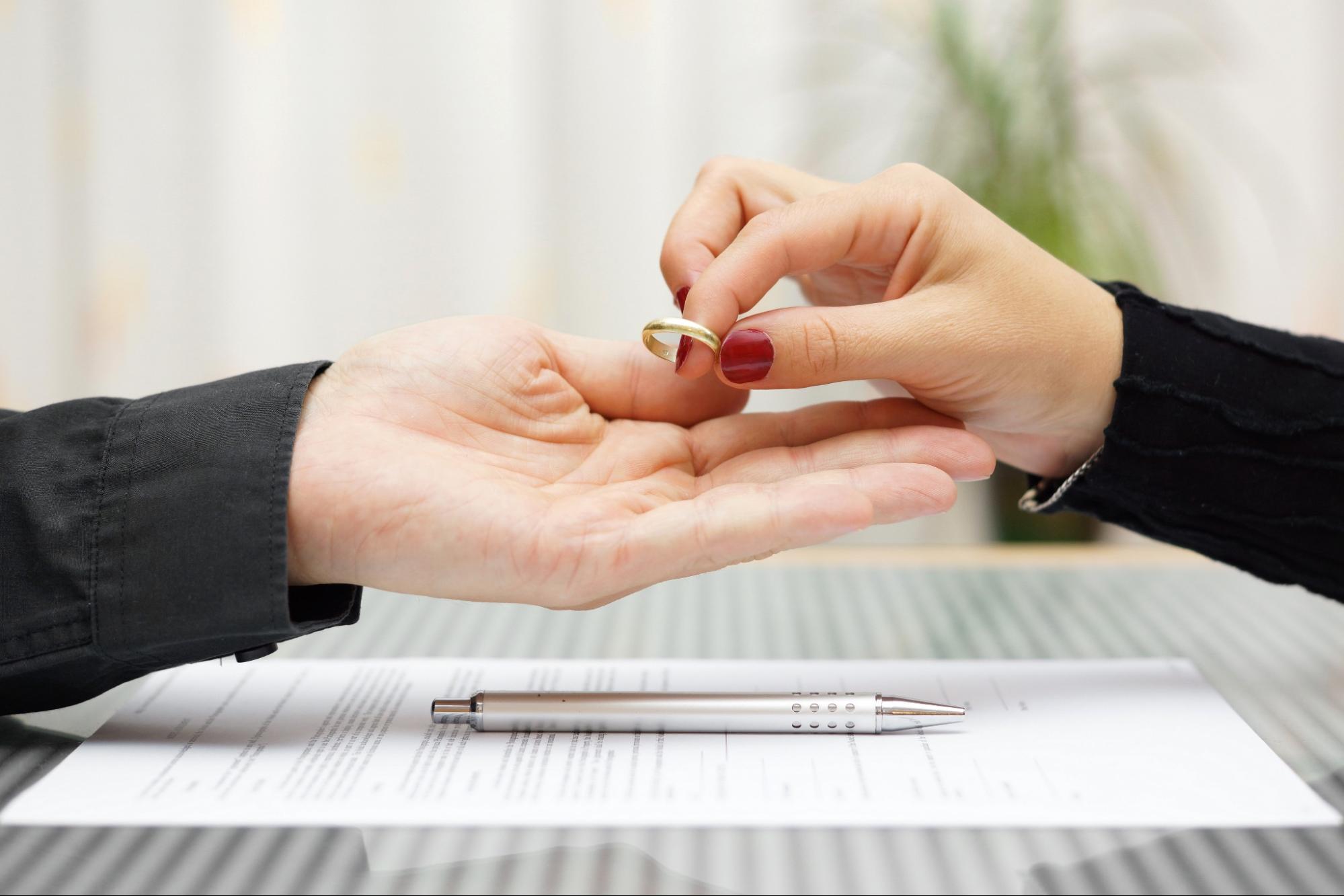
Divorce can change your financial future, especially when retirement savings are involved. You may have spent decades building a 401(k), pension, or other retirement account. And now you may wonder whether your spouse can claim part of it. Or perhaps you relied on your spouse’s retirement benefits and worry about your financial security after a divorce.
Understanding what a Qualified Domestic Relations Order (QDRO) is and how a QDRO in California can affect your retirement benefits in a divorce can help you prepare. Below, we explain how California treats retirement benefits and what you should expect during the process. And when you work with us, you can depend on us to help you get the best out of your divorce case.
At Barnholtz & Kugler, we understand your family law concerns. We have many decades of combined experience, and our family law attorneys provide exceptional representation to clients navigating complex California divorces. We work to deliver the best possible legal guidance while protecting what matters most to you.
Community Property vs. Separate Property in California
The first thing you should understand about a QDRO in California and retirement benefits in a divorce is how California law divides property in a divorce. California follows community property laws. These laws determine how spouses divide their assets, including retirement benefits.
Under California’s Family Code, community property generally includes assets either spouse acquires during marriage while domiciled in California. In contrast, separate property generally includes assets acquired:
- Before marriage,
- After the date of separation, or
- Through gifts or inheritance.
Under the default rules, each spouse receives 50% of the community property and 100% of their separate property in the divorce. However, some exceptions apply, and couples can agree to a different split of assets.
For retirement accounts, the above distinctions matter. For example, if you contributed to your 401(k) before getting married, those contributions and their attributable investment growth may remain your separate property. However, contributions made during the marriage generally belong to the community and may be subject to a 50/50 split.
What Can I Expect When Dividing Retirement Accounts in a Divorce in California?
Retirement benefits do not all work the same way. The division process depends on the type of account, when the benefits accumulated, and the applicable retirement plan rules.
Dividing a 401(k) in a Divorce in California
A 401(k) is an employer-sponsored retirement savings plan. Employees contribute money, and employers may provide matching contributions. Under this kind of plan, employees also have options for investing their retirement funds. When considering how to split a 401(k) in a divorce in California, spouses must determine which portion of the account belongs to the community estate.
Suppose your 401(k) contains $200,000, including $120,000 attributable to marital contributions and their investment growth. Generally, each spouse has a $60,000 interest in that community portion. However, the actual division may account for changes in investment value, separate property contributions, and negotiated property settlements.
If you are wondering how to split a 401(k) in a divorce in California, the process usually involves:
- Doing complex math to calculate the community interest,
- Obtaining a court order, and
- Arranging a transfer under the retirement plan’s procedures.
When you divide a 401(k) in a divorce in California, you and your spouse may also have to consider the implications the division will have on your tax obligations.
Dividing Pension Benefits
Pensions differ from 401(k) accounts because they typically promise a lifetime of retirement payments based on factors such as:
- Employment history,
- Compensation, and
- Years of service.
When spouses divorce, part or all of the pension benefits may be considered community property, especially if you earned credits toward your pension while you were married. The precise calculation often depends on the:
- Pension plan,
- Employment dates, and
- Applicable legal rules.
California courts may divide these benefits by awarding each spouse a share of future payments or using another legally appropriate method to make an equal or equitable split.
What Is a QDRO in California?
A Qualified Domestic Relations Order (QDRO) is a court order that directs certain retirement plans to recognize another person’s right to receive part of a participant’s retirement benefits. The plan may order the plan administrator to withhold and pay a portion of the benefits to cover:
- Spousal support,
- Family support, and
- Child support.
A divorce judgment stating that spouses will divide retirement benefits may not be enough to complete the transfer. The retirement plan may need to receive a qualifying order before it can distribute benefits in accordance with its terms.
What Does the QDRO Process Involve?
The QDRO process generally includes:
- Identifying the retirement plans—gather account statements, pension documents, and plan administrator information;
- Determining the community interest—calculate the portion accumulated during marriage;
- Preparing the order—draft the QDRO according to the divorce judgment and plan requirements;
- Obtaining court approval—submit the appropriate documents for the judge’s signature;
- Submit the order to the plan—the administrator reviews the order and determines whether it qualifies; and
- Complete the division—the plan implements the approved order in accordance with its procedures.
Because mistakes can delay payments or create financial problems, seeking professional assistance when preparing a QDRO can be valuable.
How Much Does a QDRO Cost in California?
There is no single statewide price for preparing a QDRO. Preparation by a professional may cost hundreds or more.
Costs often depend on:
- The complexity of the retirement plan,
- The work required, and
- Whether the spouses disagree about the division.
And potential expenses may include:
- Attorney fees,
- Document preparation fees,
- Specialist fees, and
- Any applicable plan administration charges.
A straightforward 401(k) division may require less work than a complicated pension involving multiple employers or disputed benefit calculations.
When asking, “How much does a QDRO cost in California?” remember that each retirement plan may require its own order. And each additional plan may mean higher expenses. Before hiring an attorney, ask for an explanation of the expected preparation costs, possible additional fees, and whether QDRO services are included in your divorce representation.
How Can a California Divorce Attorney Help?
Dividing retirement accounts in a divorce in California often involves more than dividing an account balance in half. To help ensure that the split is fair and legal, an experienced family law attorney can help:
- Identify retirement assets,
- Determine community and separate property interests,
- Negotiate appropriate division terms, and
- Coordinate preparation of the necessary retirement orders.
An attorney can also help address pension survivor benefits, plan-specific requirements, and potential disputes before they become expensive problems.
At Barnholtz & Kugler, we recognize that retirement savings represent years of hard work and future financial security. We approach every divorce with compassion, careful preparation, and a commitment to protecting our clients’ interests.
Protect Your Retirement Future with Barnholtz & Kugler
Your divorce should not leave you uncertain about the retirement benefits you worked hard to build or may be entitled to receive. With over 60 years of combined experience, Barnholtz & Kugler offers the exceptional family law representation you deserve. We take pride in providing the highest level of service and helping clients navigate complex property division matters with confidence. Contact us today by phone or online to discuss your case.