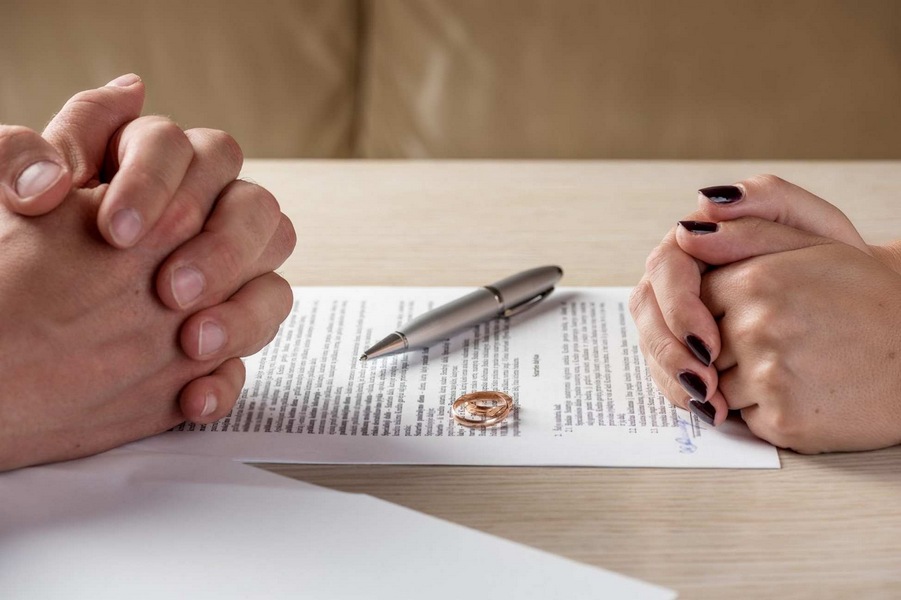
Couple completing divorce documents without going to court in California

Can You Get a Divorce Without Going to Court in California?

Courtrooms rarely feel like the right place to end a marriage. The process is public, formal, and often contentious. So it’s understandable that many couples wonder: Can you get a divorce without going to court in California?

In most cases, the answer is yes. If both spouses agree on every major issue, the law allows a divorce to proceed without a single hearing. California promotes settlement over litigation through streamlined procedures, uncontested filings, and mediation. The key is cooperation and precise documentation.

Barnholtz & Kugler helps couples choose the most efficient path. The firm guides clients through mediation, document preparation, and settlement approval, protecting their rights while avoiding unnecessary court appearances. With more than 60 years of combined family law experience, our attorneys know how to help you finalize a divorce quietly, efficiently, and legally. Contact us online or call (661) 799-9140 to speak with our team and take the first step toward a smooth, private resolution.

When Can You Get a Divorce Without Going to Court in California?


California law recognizes that lengthy trials drain families. While a judge must ultimately sign a judgment of dissolution, that signature doesn’t always require a personal appearance. You can finalize your divorce outside the courtroom if:

  • Both spouses agree on every issue, including property division, spousal support, custody, and child support;
  • You file all required documents correctly; and
  • No disputes remain for the judge to resolve.

When you meet these conditions, the court can enter judgment “on the papers.” Neither you nor your spouse has to step inside a courthouse, though you must still handle filings and notarizations. This process saves time and emotional cost while meeting every statutory requirement.

How Does Divorce Mediation Help Couples Avoid Court?

Mediation helps keep divorce out of court by giving spouses a neutral forum to reach an agreement without litigation. A trained mediator, often an attorney familiar with family law and divorce, facilitates productive discussion, clarifies financial realities, and helps draft a settlement that becomes part of the final judgment.

Mediation works best when both parties:

  • Want to keep control instead of leaving decisions to a judge,
  • Prefer a confidential environment,
  • Need creative solutions for parenting schedules or asset division, and
  • Are willing to exchange complete financial information.

Because the mediator remains neutral, each spouse may still choose independent counsel to review the terms. However, once filed and approved by the court, agreements reached in mediation are enforceable. With proper guidance, mediation transforms potential courtroom battles into structured, forward-focused conversations.

Can an Uncontested Divorce Be Handled Completely Out of Court? 

An uncontested divorce, where both parties agree on every term, is the simplest way to complete a divorce out of court. Additionally, California’s summary dissolution procedure streamlines uncontested cases for couples who meet specific conditions that include:

  • Marriage lasting five years or less,
  • No children together and no pregnancy,
  • Limited community property, and
  • A written agreement dividing all assets and debts.

Both spouses must file a Joint Petition (Form FL-800) and wait the mandatory six-month cooling-off period before the court issues a final judgment. Aside from the paperwork, the process unfolds entirely outside the courtroom.

Even for longer marriages or those involving children, a standard uncontested case can close quickly and without appearances if the paperwork is complete and properly served. Legal oversight ensures each form meets the precise technical standards of the California Family Code.

What Paperwork Do I Need If Both My Spouse and I Agree to Divorce?

Knowing how to divorce without going to court begins with preparation. California’s family-law system revolves around documentation. Missing forms or errors can delay final judgment for months.

Essential filings include:

  • Appearance, Stipulations, and Waivers (form FL-130). This document states that you and your spouse agree about how to resolve your divorce, and will waive your rights, like the right to a trial, so that the court can accept your agreement.
  • Declaration for Default or Uncontested Dissolution or Legal Separation (form FL-170). The declaration tells the court that you meet the requirements for it to decide your case based on your agreement.
  • Judgment (form FL-180). This serves as the final court order to get a divorce.
  • Marital Settlement Agreement. A final settlement agreement is necessary to detail the handling of property, custody, and support.
  • Notice of Entry of Judgment (form FL-190). The court will mail this form back to you after the judge has signed the judgment. It’s the official notice that your divorce or legal separation is final. 

Each document must be complete, signed, and filed with the correct county clerk. Couples using mediation or collaborative representation often rely on counsel to manage filing logistics so the agreement moves from discussion to decree without procedural setbacks.

Do I Still Need a Lawyer If We Settle Everything Outside of Court?

Even amicable divorces involve legal consequences that last for years. Attorneys ensure that settlements comply with statutory rules and that the judgment remains enforceable.

Professional counsel provides value by:

  • Drafting precise language for child support and spousal support clauses,
  • Confirming tax and retirement-account divisions meet federal regulations,
  • Preventing clerical or filing errors that could invalidate the judgment,
  • Anticipating future disputes and addressing them in the agreement, and
  • Ensuring both parties fully understand their rights and obligations.

Choosing an attorney doesn’t mean escalating conflict. It means completing the process correctly the first time, so no one has to return to court later to fix overlooked details.

Seeking a Divorce Out of Court? Barnholtz & Kugler Can Help You 

Every family deserves a resolution that minimizes conflict and preserves dignity. Barnholtz & Kugler helps Californians finalize divorces through mediation, settlement, or uncontested procedures efficiently, privately, and within the law. With over 60 years of combined legal experience, the firm balances empathy with precision, ensuring every step meets the legal standard while reducing unnecessary stress.

The firm assists clients in:

  • Mediating settlements to avoid formal hearings,
  • Preparing and filing all required forms with accuracy,
  • Finalizing uncontested judgments through summary or standard dissolution,
  • Advising on property and custody terms that withstand court scrutiny, and
  • Resolving disputes quickly when cooperation falters.

For couples seeking a private resolution or guidance during tough negotiations, Barnholtz & Kugler offers steady, practical support. Our team manages the details—from necessary paperwork to filing—so progress never stalls. Contact us online or call (661) 799-9140 to learn how our experienced attorneys can help you finalize your divorce with clarity, confidence, and care.

Couple sitting across from each other with divorce papers and rings on the table.

Contested vs. Uncontested Divorce in California

The California sun has a way of making everything look calm on the surface. But behind closed doors, many couples are quietly facing some of the hardest decisions of their lives. Divorce in the Golden State can be a complex, emotionally charged, and confusing process. For many, the first step is understanding the difference between contested and uncontested divorce in California. 

Whether you and your spouse agree on everything or can’t see eye to eye on a single issue, knowing what kind of divorce you’re facing helps you prepare for what’s ahead. The distinction can shape the time, cost, and stress involved in ending a marriage. If you’re unsure which path fits your situation, contact us online or call (661) 799-9140 to speak with our team and gain clarity about your next steps.

What Is the Difference Between Contested and Uncontested Divorce in California?

In California, every divorce starts with the same basic process:

  • Filing a petition; 
  • Serving the other spouse, and
  • Waiting at least six months before finalizing the judgment. 

The key difference is whether you and your spouse agree on the major terms of your separation or need to have a judge settle them for you.

Uncontested Divorce

The most straightforward path to legally ending a marriage is an uncontested divorce. Meaning both spouses agree on all aspects of the divorce before filing, it is a process that requires little to no judicial involvement. Uncontested divorces require alignment on how to divide property, debts, and, if applicable, child custody and support arrangements.

The process can be even more straightforward for couples who meet California’s summary dissolution requirements. Summary dissolution allows eligible couples to file jointly without appearing in court. Eligible couples include those who have been married for less than five years, have no children, and have limited assets.

Contested Divorce

A contested divorce’s definition is one in which the spouses cannot agree on one or more major issues, such as property division, alimony, or child custody. These disputes must be resolved through negotiation, mediation, or trial.

Contested divorces generally take longer because they involve additional legal steps, court filings, and hearings. However, for many couples, they are unavoidable when emotions, finances, abuse, or trust issues stand in the way of resolution.

If your case becomes contested, an experienced attorney can help protect your rights while working toward a fair outcome.

Which Type of Divorce Is Faster?

An uncontested divorce is typically much faster than a contested one. California law imposes a mandatory six-month waiting period after the initial filing before any divorce can be finalized, even if both parties agree on all terms. In uncontested cases, this waiting period is often the longest part of the process.

By contrast, contested divorces can take a year or more, depending on the complexity of the issues and the court’s schedule. Cases involving children, real estate, or high-value assets usually take longer to resolve.

Uncontested vs. Contested Divorce Cost Comparison

The cost of divorce varies in California. In general, uncontested divorces are more affordable because they require fewer court appearances and less attorney time.

Uncontested cases typically cost between $1,500 and $5,000, depending on their complexity and the level of attorney involvement. Contested divorces, however, can range from $10,000 to $50,000 or more, particularly if they go to trial.

Costs can also increase based on factors such as:

  • Disputes over child custody. Cases involving children require additional hearings, evaluations, and guardian reports.
  • Disagreements over property or debt. High-value assets, businesses, or real estate often require appraisals and expert testimony.
  • Court motions and discovery. The more documents, witnesses, and motions involved, the longer and more expensive the process becomes.

When it comes to money, transparency and preparation are key. Discussing your goals and expectations early with your attorney helps control costs.

Can an Uncontested Divorce Become Contested Later?

Yes. An uncontested divorce can become contested if new disagreements arise after filing. Disputes over custody or hidden assets can often make a case contested. The case can also turn contested if one spouse changes their mind about an agreement or refuses to cooperate. Even minor misunderstandings about finances, parenting time, or property division can escalate and lead to court intervention and extended timelines.

A skilled attorney can help prevent such situations from occurring. They can draft clear and enforceable settlement agreements to guide negotiations and avoid conflicts. With early legal guidance, couples can often maintain cooperation and respect.

Do I Need a Lawyer for an Uncontested Divorce in California?

Technically, you can handle an uncontested divorce on your own. However, mistakes in paperwork or misunderstood agreements can cause delays or unexpected consequences. 

A lawyer can review your settlement to ensure it complies with California law, reflects your wishes, and protects your long-term interests. Having legal guidance brings peace of mind. It is even more essential when children, property, or retirement accounts are involved.

Finding the Right Path for Your Situation

Divorce is not one-size-fits-all. Some couples can agree on everything and move through the process with minimal conflict. Others require the court’s assistance to resolve significant issues. What matters most is choosing the path that protects your rights and sets you up for a stable future.

If you and your spouse can communicate openly and reach an agreement, an uncontested divorce may be your best route. If you anticipate conflict or if your spouse refuses to cooperate, you’ll likely need to pursue a contested divorce with legal representation.

Either way, knowing the difference between contested and uncontested divorce in California gives you the knowledge you need to move forward strategically. A lawyer can help you assess whether an uncontested vs. contested divorce is best, depending on your situation.

Why Work with Barnholtz & Kugler

Divorce doesn’t have to define your future. It can help you reclaim it. At Barnholtz & Kugler, our attorneys have more than 60 years of combined legal experience guiding clients through divorce. We have handled everything from amicable uncontested filings to high-conflict contested cases. We focus on protecting what matters most: your children, financial stability, and peace of mind.

Serving clients throughout California, we offer clear communication, compassionate representation, and practical strategies. Our goal is to minimize stress and achieve fair resolutions. Whether filing for an uncontested divorce or preparing for litigation, we can help you navigate each step.

Contact Barnholtz & Kugler today to schedule a consultation and take the first step toward a more secure tomorrow. You can also contact us online or call (661) 799-9140 to speak with a member of our team and begin moving forward with confidence.

Woman holding wedding ring while considering divorce.

How Much Does a Divorce Lawyer Cost in Valencia, CA?

It might start with a quiet moment. Packing a box, scrolling through old photos, or sitting in your car outside your Valencia home, wondering what comes next. When you realize your marriage is ending, your mind races through a thousand questions, and one of the first is often about money.

Divorce isn’t just an emotional decision. It’s a financial one too. How much does a divorce lawyer cost in Valencia, CA?  This guide explains the factors that influence the average cost of a divorce lawyer and how to find the right legal help without exceeding your budget. Barnholtz & Kugler helps clients strike a balance between affordability and strong legal representation. If you’d like personalized guidance about your situation, contact us online or call (661) 799-9140 to speak with our team and take the first step toward clarity and peace of mind.

What Is the Average Cost of a Divorce Lawyer?

So, how much does a divorce lawyer cost in Valencia, CA? The cost of a divorce lawyer varies widely depending on the complexity of your case, the level of conflict, location, and how willing both parties are to cooperate. 

Generally, divorce lawyer fees in California range from $200 to $500 per hour. In Valencia and the Santa Clarita Valley, most divorce attorneys charge by the hour, so the total cost depends on the amount of time needed to resolve your case.

What Determines the Cost of a Divorce Lawyer?

No two divorces are the same, and neither are their costs. Several key factors influence how much you might spend on legal representation:

  • Type of divorce. Uncontested divorces are generally less expensive because they are cooperative and require less time and fewer court filings. Contested cases with disputes over assets or children typically incur higher costs due to court appearances and longer negotiation times.
  • Attorney experience. Highly experienced attorneys often charge higher hourly rates but may resolve cases more efficiently.
  • Complexity of assets. Divorces involving multiple properties, businesses, or retirement accounts require additional legal and financial work.
  • Custody issues. Disagreements about parenting time or support can extend proceedings and increase overall divorce fees.
  • Level of cooperation. The more both spouses work together, the less time and money the divorce typically takes.

Understanding these factors helps you anticipate costs and identify areas where you can save money.

Common Types of Divorce Fee Structures

When hiring an attorney, it’s essential to understand how they charge for their time and services. In Valencia, divorce lawyers typically offer one of the following fee structures:

  • Hourly rate. Paying by the hour is the most common arrangement, where you’re billed for the time your attorney spends on your case. Rates can vary based on the lawyer’s experience, the complexity of the case, and whether court appearances are required.
  • Retainer fee. A lump sum paid upfront, from which hourly fees and costs are deducted as work progresses. Your attorney should keep you informed about how the retainer is being used and when it needs to be replenished.
  • Flat fee. Some attorneys offer a fixed price for simple, uncontested divorces where the work required is predictable. This option can help you plan your budget and avoid unexpected expenses.

During your consultation, your attorney should explain which structure applies to your case and what services are covered.

What Does a Divorce Lawyer Do?

Many people are surprised to learn about the extensive legal aspects of divorce. A skilled attorney doesn’t only file paperwork. They handle every stage of the process to protect your rights and help you reach fair agreements.

A divorce lawyer’s work often includes:

  • Preparing and filing court documents—ensuring forms are correctly completed and deadlines met;
  • Negotiating settlements—working with your spouse’s attorney to reach agreements on custody, support, and property division;
  • Representing you in hearings—presenting your case in court if disputes arise; and
  • Advising on strategy—helping you make informed decisions that protect your finances and future.

Having an attorney manage these steps can save you from costly mistakes and emotional stress.

How to Manage Divorce Costs

Divorce doesn’t have to drain your savings. There are practical ways to keep legal expenses manageable while still receiving quality representation:

  • Stay organized. Gather financial records, tax returns, and property documents early to avoid delays.
  • Be honest and responsive. Communicate clearly with your attorney and respond quickly to requests.
  • Focus on resolution. Try to compromise where possible, rather than fighting over every detail.
  • Consider mediation. Working with a neutral mediator can help resolve disagreements without the need for a trial.

By staying proactive and cooperative, you can reduce the total cost of a divorce and make the process more efficient.

How Much Will My Divorce Cost in Total?

While attorney fees are often the most significant expense, the total cost of divorce can include filing fees, court costs, mediation fees, and the costs of financial expert evaluations. In California, even a simple uncontested divorce may cost between $1,500 and $5,000, while contested cases can exceed $15,000 or more.

The best way to understand your potential costs is to schedule a consultation. A local attorney familiar with Valencia’s courts can provide a realistic estimate based on your situation.

Why Choose Barnholtz & Kugler

At Barnholtz & Kugler, we’ve guided individuals and families through divorce across Valencia and the Santa Clarita Valley for more than 60 combined years. Attorneys Brad Barnholtz and Heidi Kugler bring years of courtroom experience and compassionate counsel to every case they handle.

Quality representation should be accessible. Our team is transparent about our. We provide clear billing statements and help clients make strategic choices that align with their goals and budgets.

Clients trust us because we offer straightforward communication, ensuring you always understand what’s happening in your case, and local insight from attorneys who are familiar with Valencia’s courts and family law judges.

When your future and finances are at stake, our firm offers the balance of affordability, strategy, and compassion that every client deserves.

Contact Barnholtz & Kugler today to schedule a consultation with a Valencia divorce lawyer. Our team will explain your options, outline expected costs, and help you move forward with confidence. You can also contact us online or call (661) 799-9140 to speak with our team and take the first step toward the clarity and support you deserve.

Frequently Asked Questions

Here are some answers to questions we often receive about divorce lawyer fees.

What’s the Average Hourly Rate for a Divorce Lawyer in Valencia?

Most divorce attorneys in Valencia charge between $300 and $500 per hour, depending on their experience, location, and the complexity of your case.

Do Divorce Attorneys in California Require a Retainer Fee?

Often, yes. Most attorneys require an upfront retainer, typically ranging from $2,500 to $5,000, which covers the initial work and filings.

Can I Hire a Divorce Lawyer for a Flat Fee?

Some attorneys offer flat fees for uncontested divorces, where all terms are agreed upon, making costs more predictable and affordable.

What Factors Affect the Cost of a Divorce Lawyer in Valencia?

The primary factors include the type of divorce, the level of conflict, and the complexity of your finances, as well as whether your case involves child custody or spousal support disputes.

Does My Spouse Have to Pay My Attorney Fees in a Divorce?

In some cases, yes. California courts may order one spouse to contribute to the other’s attorney fees if there’s a significant difference in income or resources. 

Lawyers reviewing divorce documents at a table with gavel and scales of justice.

How to File for Divorce in Valencia, CA (Step-by-Step Guide)

On a quiet afternoon in Valencia, it’s not unusual to see couples walking near the Westfield Town Center or families enjoying the paseos that wind through the neighborhood. But behind closed doors, life can look different. When a marriage reaches its breaking point, knowing where to start can feel impossible. Emotions are high, and the future feels uncertain.

If you’re thinking about divorce, you’re not alone. Many people across the Santa Clarita Valley find themselves in a similar situation. They are unsure how to begin or what filing for divorce in CA actually involves. 

This step-by-step guide walks you through how to file for divorce in Valencia, CA, how long it takes, and addresses common questions. If you need personal guidance beyond this overview, contact us online or call (661) 799-9140 to speak with our team and start finding clarity about your next steps.

Step 1: Confirm Residency

Under California law, at least one spouse must have lived in California for six months and in Los Angeles County for three months before filing for divorce. If not, you may need to wait or file for legal separation first. The court will verify residency through your address history. Gather documents like utility bills or a driver’s license to confirm eligibility before filing.

Step 2: Choose the Type of Divorce

California has two main types of divorce:

  • Uncontested divorce. Both spouses agree on all terms like custody, support, and property division. It’s typically the easiest way to get a divorce in California because it avoids lengthy court proceedings and allows couples to finalize their divorce through paperwork and minimal hearings.
  • Contested divorce. When spouses disagree on important terms, a judge must decide unresolved issues. These cases often involve discovery, mediation, and multiple court appearances, so they are typically more time-consuming and expensive.

Even amicable divorces benefit from an attorney’s guidance. We can help you avoid costly errors and ensure all agreements are legally binding and enforceable.

Step 3: File the Necessary Forms

Filing for divorce in California requires submitting the correct forms to the proper court and paying the necessary fees to start your case. You’ll file your divorce paperwork at the Los Angeles County Superior Court, or through the Santa Clarita Courthouse if you live in Valencia. Common forms include:

  • Petition for Dissolution (FL-100);
  • Summons (FL-110); and
  • Child Custody Declaration (FL-105) if you have children.

You may also be able to file online. There’s a filing fee of approximately $435 – $450. If you can’t afford the filing fee, you may qualify for a fee waiver based on your income, public benefits, or financial hardship.

Step 4: Serve Your Spouse

Your spouse must be formally served by someone over 18 who isn’t part of the case. You must serve the other person so they’re officially notified of the divorce and given a fair chance to respond before the court moves forward.

The server completes a Proof of Service (FL-115), which is filed with the court. Your case cannot proceed without proper service. 

Step 5: Wait for a Response

Your spouse has 30 days to respond. If they don’t, you can request a default judgment. If they respond, you’ll begin negotiating or exchanging financial information through discovery.

Step 6: Exchange Financial Disclosures

Both spouses must share complete financial information, including:

  • Income and expenses;
  • Assets and debts; and
  • Tax returns from the last two years.

This transparency enables the court to make fair decisions regarding property and support. Hiding assets during a divorce is illegal in California and can result in severe penalties, including fines, loss of property rights, or contempt of court.

Step 7: Negotiate or Mediate

Most divorces settle outside court. Negotiation and mediation help spouses reach agreements on issues such as custody or support with the assistance of a neutral third party. If you agree, you’ll submit a Marital Settlement Agreement to the court for approval. If no agreement is reached, the case moves to trial.

Step 8: Finalize Your Divorce

Once all steps are complete, the court issues a Judgment of Dissolution of Marriage, legally ending your marriage. California law requires a six-month waiting period from the date of service before divorce can be final.

Do Both Parties Need to Agree to a Divorce?

If you’re wondering, Do both parties need to agree to a divorce?, the answer is no. Under California’s no-fault divorce laws, one spouse can proceed even if the other doesn’t agree. Cooperation helps make the process faster and smoother, however.

In California, you also don’t need to prove fault to get a divorce. The state recognizes two legal grounds: irreconcilable differences, meaning the marriage cannot be repaired, and permanent legal incapacity to make decisions, which requires medical evidence to substantiate.

Why Choose Barnholtz & Kugler

Divorce marks the end of one chapter and the uncertain beginning of another. With steady legal guidance, that uncertainty can become an opportunity to rebuild your life on firmer ground.

With more than 60 years of combined legal experience, attorneys Brad Barnholtz and Heidi Kugler have guided families throughout California through divorce. We offer:

  • Personalized support to fit your family’s needs;
  • Efficient strategies to minimize conflict; and
  • Local experience with Los Angeles County courts.

We combine practical legal expertise with compassion to help you move forward with confidence.

If you’re curious how to file for divorce in Valencia, CA, contact our office today. Meet with a Valencia divorce lawyer who will guide you through each step and protect what matters most. You can also contact us online or call (661) 799-9140 to take the first step toward a more secure and confident future.

Frequently Asked Questions About Filing for Divorce in Valencia

Below are answers to some of the most frequently asked questions we get about the divorce process.

Where Do I File for Divorce in Valencia?

Most cases go through the Los Angeles County Superior Court’s Santa Clarita Courthouse. You can also file online through the California Courts portal.

How Long Does the Divorce Process Take?

California requires a six-month waiting period after serving your spouse before finalizing a divorce. Complex cases may take longer, especially if disputes arise over custody, support, or property division, or if either party delays responding to court requests.

Can I File Without an Attorney?

Yes, but divorce forms and procedures can be complicated. An attorney helps avoid mistakes and unnecessary delays.

What Forms Do I Need?

You’ll need the Petition (FL-100), Summons (FL-110), and, if you share children, the Child Custody Declaration (FL-105). 

How Much Does It Cost to File in Valencia?

The filing fee is about $435 – $450. Fee waivers may be available for those with limited income.

Resources:

  • California Family Code: Grounds for Dissolution or Legal Separation – Link